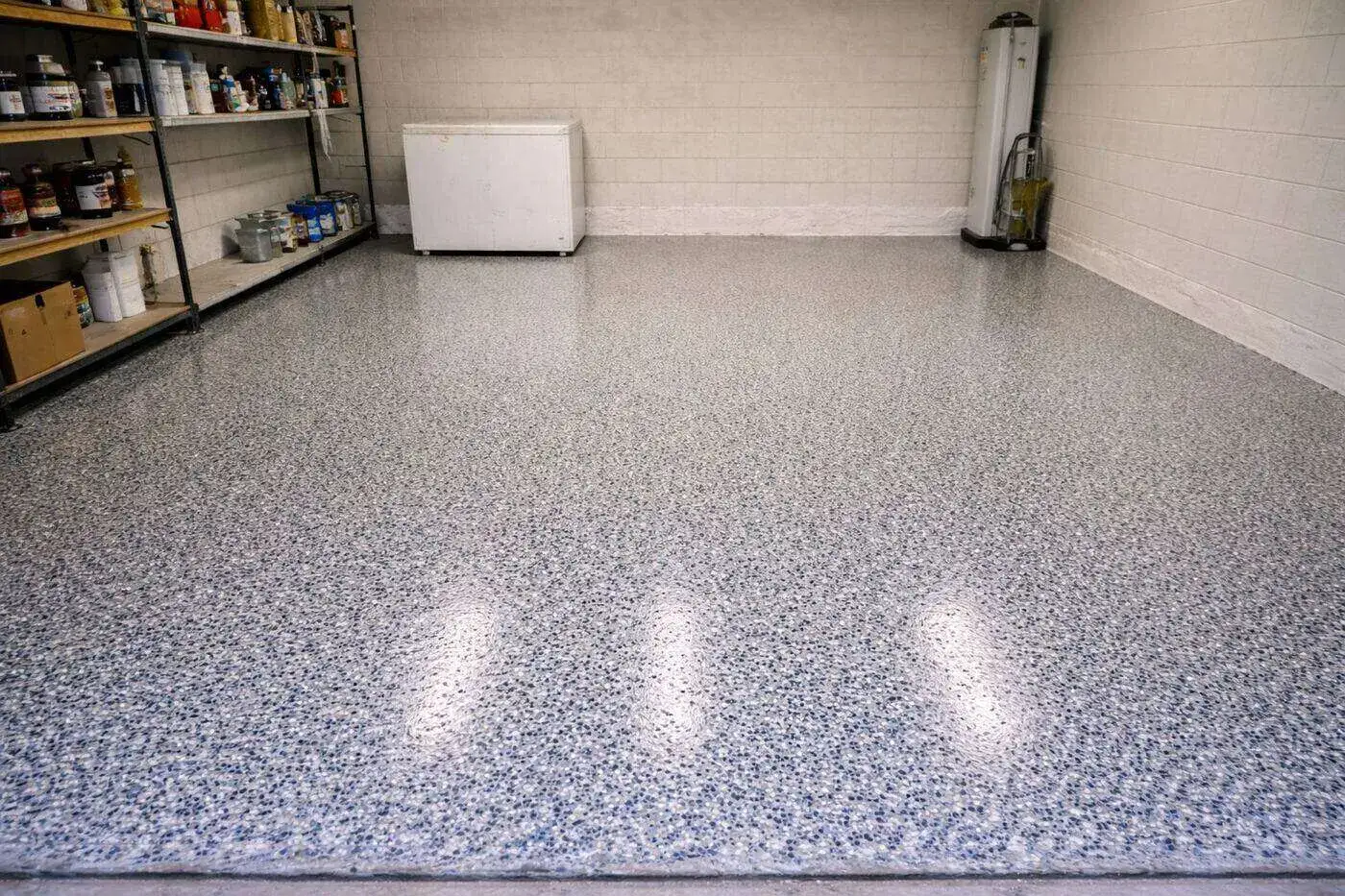
Think of an epoxy floor in Broward County the way you would think about any coastal-home investment: the dollar figure on the quote is not the real number — the cost-per-year over a decade is. Priced that way, a professionally installed floor (real diamond grind, moisture test, salt-and-UV-rated polyaspartic topcoat) is one of the better-returning upgrades a Fort Lauderdale or Pembroke Pines homeowner can make. The version that is not worth it is a big-box kit rolled over an untested slab near the water; in this climate it can blister before the first rainy season is out.
Most "is it worth it" articles answer the question they want to sell. We want to answer the one you are actually asking, which has three moving parts that are sharper here than almost anywhere else: what your slab is doing (a canal-side or low-lying Broward slab behaves very differently than a high-and-dry one), what you can realistically spend, and — the part that decides everything — who installs it. In a county wrapped in salt air, inland canals, and a wet season that dumps rain for months, the install is the whole ballgame.
So instead of a brochure, this is a value framework. We will start with the money question (does it pay back), then weigh the honest trade-offs, line epoxy up against tile and polished concrete for a coastal home, and finish with the specific Broward situations where it is a clear yes and the few where it is a clear no. If you would rather just talk through your own floor, Blake and the crew will give you a straight read — call (954) 289-0864 for a free, no-pressure estimate.
Where the Payback Actually Comes From
For a Broward homeowner, "worth it" comes down to whether the floor returns more than it costs over the years you own it. It does that in a handful of measurable ways — and most of them are amplified by the coastal environment that makes other surfaces struggle here.
- It outlasts the climate that destroys cheaper options. Salt-laden air and a long humid season are hard on raw and painted concrete; a bonded coating shrugs off the hot tires, dropped gear, and constant moisture that age a bare slab. A decade-plus of service spreads the price into a small annual cost — that is the core of the return.
- Salt and chemical defense you can see on the spec sheet. On a boat-trailer apron, near a pool deck, or in any garage that sees brake fluid and road grime, a sealed epoxy surface keeps oil, salt residue, and pool chemicals on top instead of letting them etch in. Replacing or resurfacing stained, pitted concrete is exactly the expense this avoids.
- Five-minute cleanup in a place where humidity breeds mildew. The seamless, pore-free surface hoses down in minutes, and with no grout joints there is nowhere for South Florida mildew and dirt to take hold. For a coastal garage that is real recovered time every month, not a brochure line.
- It shows like a finished room to the next buyer. Broward buyers tour a lot of homes; a clean flake or metallic floor makes a garage or lanai read as deliberate, maintained square footage rather than a stained slab. It will not return like a kitchen remodel, but as a low-cost first impression on a competitive market it pulls its weight.
- It buys back a flawed slab instead of replacing it. A full flake broadcast hides the minor cracks, patches, and discoloration common in older Broward slabs, so you get a uniform finished look without the cost of tearing out and repouring concrete.
- Brighter space, no new fixtures. A gloss topcoat reflects the light you already have, so a workshop or garage feels brighter without you running new wiring — a small but real saving people forget to count.
The Trade-Offs to Weigh First
A value framework only works if it is honest about the costs side of the ledger. Here is what you are actually paying for and the risks that, in a coastal market like ours, can turn a smart investment into a wasted one.
- The moisture gamble is the one that matters here. Lead with this, because it is the Broward-specific risk that sinks more floors than anything else. So much of the county sits low and close to water — canal lots, lots near the Intracoastal, neighborhoods on a shallow water table — that vapor pushing up through the slab is the norm, not the exception. Coat over an untested slab and the floor can blister and delaminate from below no matter how premium the resin. The fix is not optional in this market: a moisture test (we include it free) and a mitigation primer where the readings call for it.
- You are buying a system, not a color. A quality two-car garage flake floor costs far more than a bucket of big-box paint, a polyaspartic wear layer over the flake adds to that, and metallic finishes run higher still; the gap is the honest sticker shock. What closes it is the cost-per-year math — but only if the floor actually lasts, which loops back to prep.
- It is only as good as the grind underneath it. A proper diamond grind, crack repair, and the moisture test — never a quick acid wash — are what the durability rides on. Skipped prep is the single most common reason a coating fails, and you cannot see the shortcut until the floor lifts a year later.
- DIY in this climate usually means paying twice. Big-box kits make it look like a weekend project, then leave out the exact steps a salt-air, high-humidity slab demands. An untested, under-prepped kit floor near the coast often peels within a year and has to be ground off and redone — so the "cheap" option becomes the expensive one.
- Plan a smooth gloss around water. Near a pool deck, a boat-wash apron, or any wet entry, a bare high-gloss surface is slick when it gets wet. The cure is easy — a flake or quartz texture or an anti-slip additive — but it has to be specified before the topcoat goes down, not after someone loses their footing.
- It needs the slab out of service for a few days. Prep, coating, and cure mean the garage is offline for a stretch, longer before you park on it. Polyaspartic systems shorten the cure considerably, which is part of why we favor them here, but it is still something to schedule around.
- It will not save a slab that is already failing. Epoxy is a finish, not a structural repair. If the concrete is badly spalling, heaving, or cracking apart, a coating fails right along with it. The slab has to be sound before any value conversation starts.
Epoxy vs. the Alternatives, Coastal-Home Edition
"Worth it" only means something next to the other things you could do with the same slab. So before you decide, hold epoxy up against the three real alternatives a Broward homeowner actually weighs — and judge each one on how it handles salt air, humidity, and resale, not just the day-one price.
| Epoxy Coating | Porcelain / Ceramic Tile | Polished Concrete | DIY Paint / Roll-On Kit | |
|---|---|---|---|---|
| Upfront cost | Moderate (priced after a free on-site estimate) | Higher (material + skilled tile labor) | Moderate | Lowest |
| Lifespan | Long (10–20 yrs, pro install) | Long (decades, if grout stays sealed) | Long | Short (often under 2 yrs here) |
| Durability | High — seamless, impact- and abrasion-resistant | Hard, but chips and cracks under impact | Very high | Low — peels and wears fast |
| Upkeep | Very low — mop or hose down | Higher — grout stains and needs scrubbing | Low — periodic reseal | High — frequent touch-ups |
| Salt air & coastal moisture | Excellent once moisture-tested + primed | Fair — grout joints trap salt and damp | Good — it is the slab itself | Poor — blisters on damp coastal slabs |
| Look / customization | Wide — solid, flake, metallic, quartz | Wide tile range, but grout lines show | Limited — you see the concrete | Basic — one solid color |
| Best fit for a Broward home | Garages, lanais & shops wanting durability + looks | Interior rooms after a specific tile aesthetic | Modern, minimalist, industrial-look spaces | Tight budgets and short-term stopgaps |
Read down the columns and the verdict sorts itself out. Tile earns its place inside the house when you are chasing one specific decorative look. Polished concrete is the pick for a hard, minimalist, industrial surface where showing the raw slab is the point. A DIY kit only ever wins on the day-one price, and in this climate it tends to give that savings back within a couple of years. But for the surface most Broward homeowners are actually deciding on — a garage, lanai, or shop that has to look sharp, fend off salt and spills, and ride out a long humid season — epoxy is the column that balances cost, durability, and resale the best of the four.
Want to Run the Numbers on Your Own Broward Slab?
Tell us where the home sits — canal lot, near the coast, or high and dry — and what you want the floor to do. Our crew will read the slab, test the moisture, and give you a straight worth-it answer and a real number, free.
The Broward Situations Where It Clearly Pays Off
For a lot of homeowners here the math is not close — the floor returns far more than it costs. If any of these sounds like your situation, epoxy is an easy yes.
- Your home is near the water and the garage takes the beating. Boat trailers, wet gear, salt residue tracked in from the coast, and pool chemistry are exactly what a sealed epoxy surface is built to repel. The closer to the canal or the Intracoastal, the more a coating earns out versus bare concrete that pits and stains.
- The slab is sound. If the concrete is in decent shape with no structural failure underneath, it gives a coating the foundation it needs — and most established Broward garages qualify once the moisture is checked.
- You are planning to stay several years. Cost-per-year is the whole argument, and it gets stronger every year you own the home. Spread a 10-to-20-year floor across a long stay and a durable surface beats a cheap one you keep redoing.
- You are tired of fighting the slab. Staining concrete, hot-tire marks, and that fine humid-garage grime all disappear under a flake floor that wipes clean and keeps showing well for years — recovered time you feel every weekend.
- The space sees chemicals or hard use. Home gyms, workshops, hobby garages, and small commercial floors that meet oil, solvents, or constant cleaning get a direct payback from epoxy's resistant, seamless surface.
- You will hire someone who tests and grinds. This is the condition that unlocks all the others. With a moisture test, a real diamond grind, crack repair, and a salt- and UV-stable polyaspartic topcoat, you get the long-lived floor epoxy is famous for — and the return the rest of this guide describes.
- You want the property to show better. Whether you are listing soon or just want the space to feel finished, a clean floor delivers an outsized visual lift for the dollar on a competitive Broward market.
When We Would Tell You to Wait
A real value answer has to include the times the answer is no. We would rather lose the job than sell you a floor that will not return what you put into it. Hold off, at least for now, if any of these fit.
- The moisture readings are high and mitigation is not in the budget. This is the one to watch in Broward. If the test on a low-lying or canal-side slab comes back hot and there is no room for a mitigation primer, coating anyway is money thrown at a floor that will fail from below. Better to address the moisture, or wait, than to pay for a guaranteed failure.
- The slab itself is breaking down. Crumbling, heaving, or actively cracking concrete needs repair or replacement first. A coating over a failing slab fails right along with it — you would be finishing a problem instead of fixing it.
- Only paint fits the budget. If a full system genuinely is not affordable yet and a thin coat is the only option, call it what it is — a short-term cosmetic patch, not a lasting floor. In this climate, saving up for the real thing usually beats coating twice.
- You are about to move. If you will be out of the home in the very near term, you may not own it long enough for the cost-per-year math to work in your favor. A lighter refresh before listing can make more sense than a full install you will not be around to enjoy.
The Broward County Verdict
Add it all up and the answer is a qualified yes. For the typical Broward homeowner with a sound slab who hires a real professional, a properly installed epoxy floor is one of the strongest-returning surfaces you can put down in this coastal climate. Diamond-grind prep, a moisture test where the slab calls for it, and a salt- and UV-stable polyaspartic topcoat buy you a decade or two of durable, mildew-resistant, easy-clean floor — and when you divide that price across the years, the cost-per-year is genuinely hard to beat against anything else on the same slab.
The "worth it" question really has only one variable in Broward, and it is not the resin in the bucket. The bubbling, the peeling, the floor that died in a year — those stories almost always trace to a skipped step on a slab that the salt air and shallow water table were never going to forgive: no moisture test, no real grind, a weekend kit, no protective topcoat. Get the install right and the floor is worth every dollar. Cut the corners this climate punishes and the same product becomes a waste of money. The whole return lives in the prep.
So weigh it like the investment it is: yes, it is worth it here — provided it is done for this environment. To see what sets the price behind the decision, read the Broward County cost guide, and to understand the single failure mode that decides whether a coastal floor lasts, read why floors fail in Broward County and the moisture test that prevents it.
Frequently Asked Questions
How do I know if epoxy will pay off on my Broward home?
Look at cost-per-year, not the sticker. A professionally installed two-car garage floor, in flake with a polyaspartic topcoat over it, lasts 10 to 20 years when it is moisture-tested, diamond-ground, and finished with a salt- and UV-stable topcoat. Spread across that lifespan it is one of the better values in flooring. The payoff disappears only when corners get cut — a big-box kit over an untested coastal slab that blisters in a year and has to be redone.
Does an epoxy floor help resale in Broward County?
It helps how the home shows, which matters on a competitive coastal market. A clean flake or metallic floor reads as maintained, upgraded square footage rather than a stained slab, so a garage or lanai presents better to buyers and appraisers walking through. It is not a guaranteed dollar-for-dollar return like a kitchen, but as a low-cost upgrade that makes a strong first impression on a Fort Lauderdale or Pembroke Pines listing, it is a sensible value-add.
Is epoxy worth it for a coastal or canal-front garage?
This is where it earns the most. Homes near the water deal with salt air, wet boating gear, and pool chemistry that pit and stain bare concrete, and a sealed epoxy surface keeps all of that on top instead of soaking in. The one condition is the slab: low-lying and canal-side lots often push moisture, so a moisture test and a mitigation primer where needed are what turn a coastal install from a gamble into a sound investment.
Is a DIY epoxy kit worth it near the coast?
Usually not in this climate. Big-box kits skip the two steps that matter most on a Broward slab — a full diamond grind and a moisture test. With so much of the county sitting low and near water, an untested slab can push enough vapor to lift a coating from underneath within months, and a failed DIY floor has to be ground off and redone, so you pay twice. A kit can work on a dry, well-prepped interior slab, but near the coast it is a real gamble.
Epoxy or polished concrete for the better return?
They solve different problems. Polished concrete grinds and densifies the existing slab into a hard, low-fuss surface, so it shows the concrete itself — cracks and stains included — and needs periodic resealing. Epoxy adds a colored coating that hides slab flaws under flake or metallic and gives better salt, chemical, and stain resistance, which is why it tends to be the stronger value for a Broward garage with marks to cover and coastal grime to fend off.
Will an epoxy floor really hold up in Broward's salt air and humidity?
Yes, when it is installed for this environment. The failures people hear about trace back to skipped prep, not the product. A floor that is moisture-tested, given a mitigation primer where the slab needs it, and topped with a humidity-tolerant, salt- and UV-stable polyaspartic coat holds up well through the heat, the long wet season, and the salt air. The same floor installed without testing or a real grind is the one that bubbles and peels.
Get Your Personalized Broward County Epoxy Quote
The only way to know whether epoxy pays off on your specific floor is to have the slab read in person — where it sits, how close it is to the water, and what the moisture is actually doing. At Ascent Epoxy Broward, every estimate starts with a real look at your concrete, a moisture test, and an honest conversation about whether epoxy is the right call for your space and budget. If it is not the best fit, we will say so. If it is, you get a clear number and a system specified for a salt-air, high-humidity coast.
Ready to find out where your floor lands? Call (954) 289-0864 or request a free quote online. We work across Fort Lauderdale, Hollywood, Pompano Beach, Pembroke Pines, Coral Springs, Davie, Plantation, Weston, Miramar, Cooper City, and the surrounding communities throughout Broward County.
Related Articles
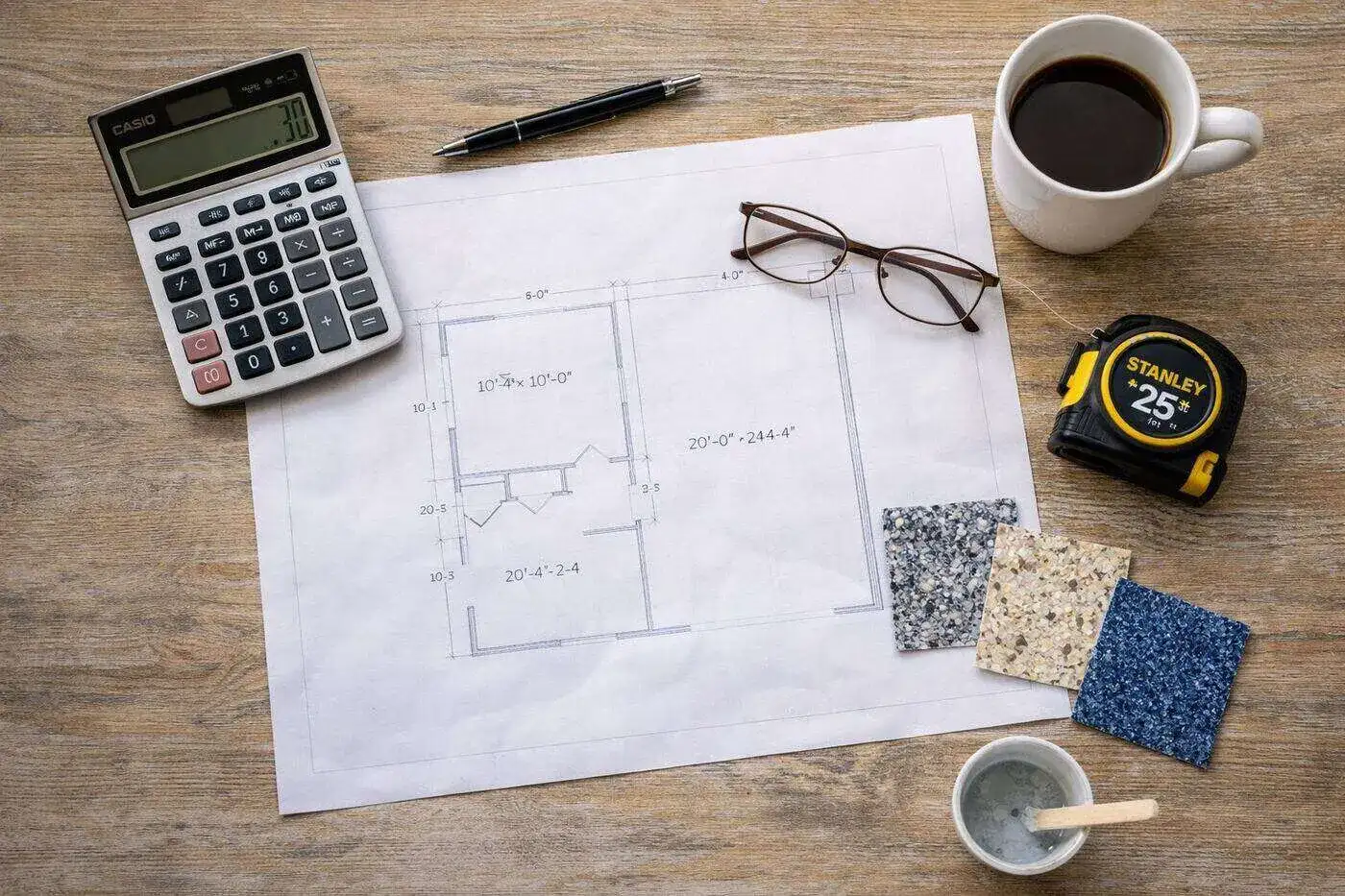
How Much Does Epoxy Flooring Cost in Broward County? (2026 Guide)
What sets the price of a floor, and how a free on-site estimate works.
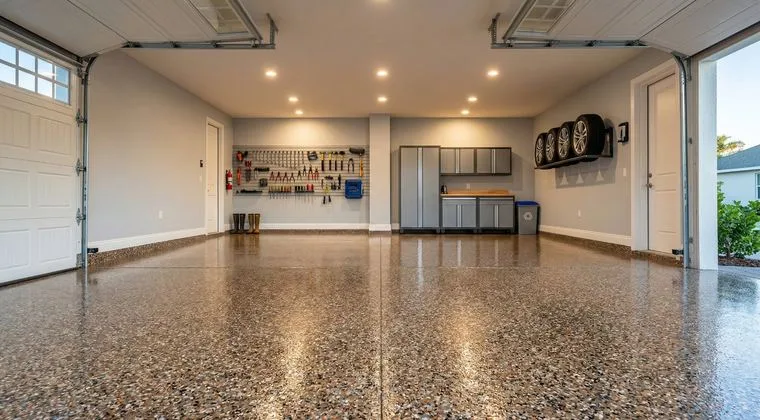
How Long Does an Epoxy Floor Last in Broward County?
Realistic lifespans and what shortens them in South Florida.
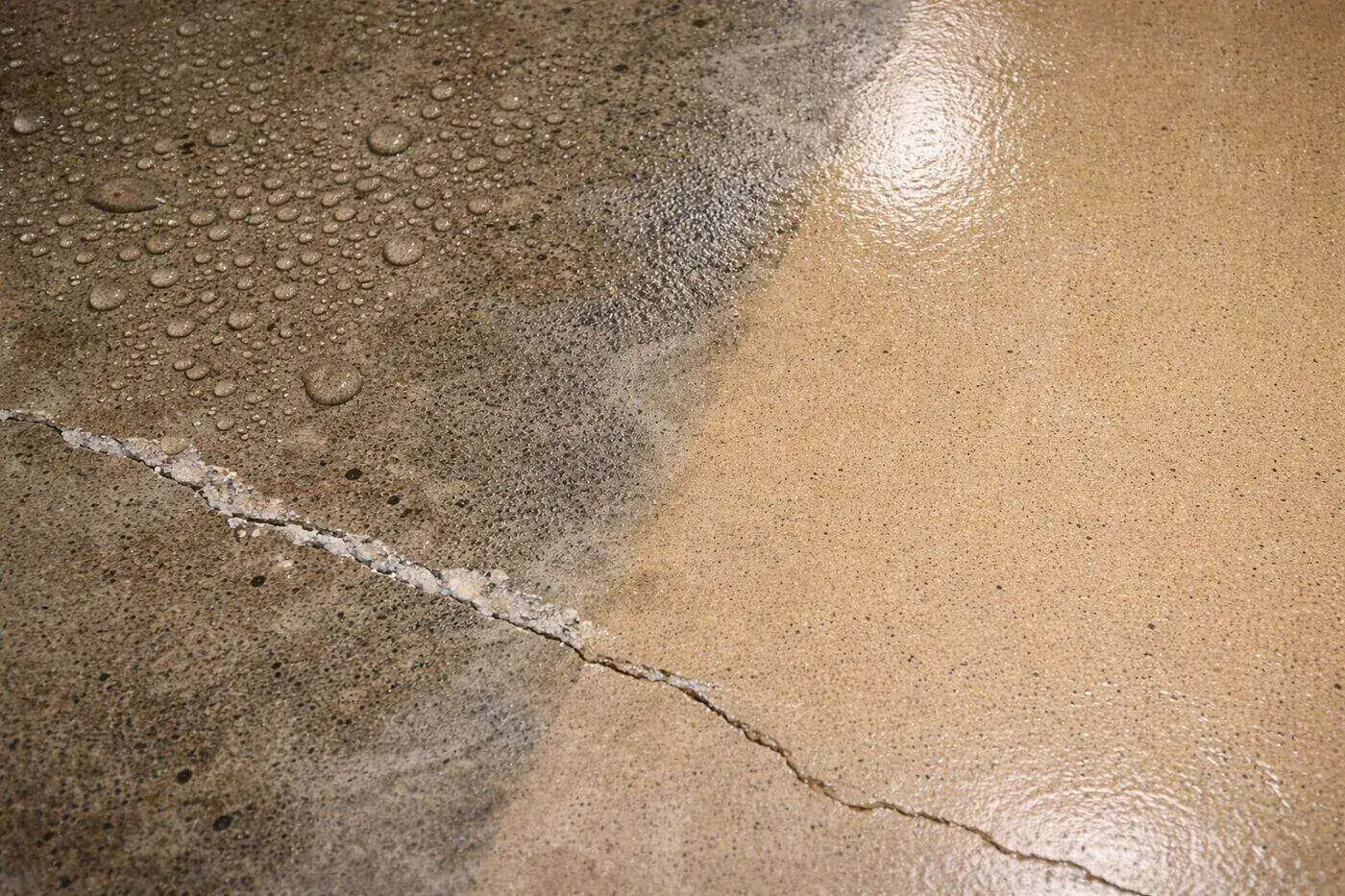
Why Epoxy Floors Fail in Broward County — and the Moisture Test That Prevents It
The high water table, MVT testing, and what to ask before you sign.