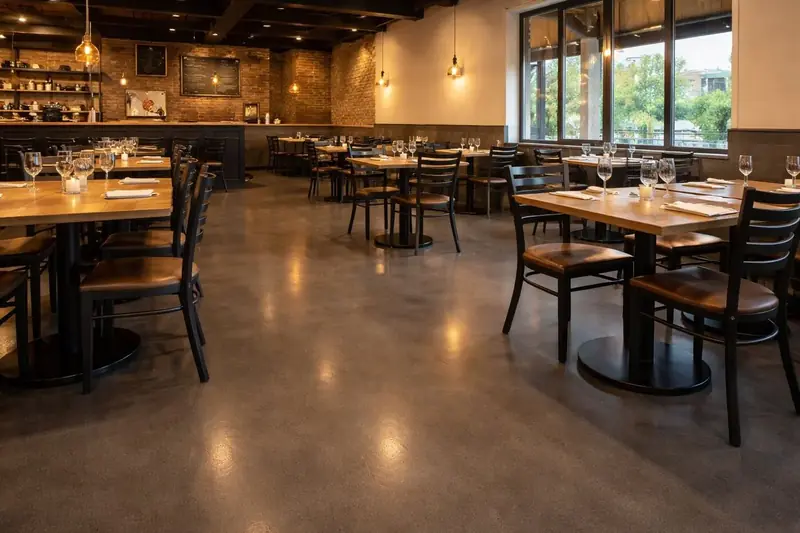
Broward County runs on businesses that beat their floors up daily — the marine yards along the New River, the warehouses feeding Port Everglades and Fort Lauderdale-Hollywood International, the restaurants packing Las Olas, and the auto and medical operations spread from Coral Springs to Hollywood. A commercial epoxy floor is the surface that survives all of it, but the right build is decided by your trade, not by a catalog, and on a coastal South Florida slab it begins with a moisture reading.
Think about what actually happens on the floor of a Davie distribution center versus a Hollywood commercial kitchen versus a Plantation medical suite. One takes forklift point-loads and dropped freight all shift; the next takes boiling water, grease, and a county health inspection; the last takes daily disinfectant and zero tolerance for a seam where bacteria can sit. Same two words — "commercial epoxy" — three completely different systems. Pick the wrong one and the coating peels, hazes, or fails inspection inside a year. This guide sorts the systems by the work they have to survive, then lays out the two coastal-Broward conditions that quietly govern every spec we write here, what really moves the price, and how a crew keeps your doors open while the floor cures.
Commercial work is the backbone of what we install at Ascent Epoxy Broward, from storefront and hospitality floors across the Greater Fort Lauderdale metro to heavy-duty warehouse and manufacturing systems in the county's industrial corridors. Rather walk us through your space before you read on? Call (954) 289-0864 and we will come look at the slab and give you a free, walked-through estimate.
Why Broward County Businesses Choose Epoxy
For a Broward operator, a coated floor is an operations decision, not a finish choice. It earns its keep by quietly removing problems that bare or painted concrete creates every single day in a humid coastal building.
- One continuous surface, nothing to scrub into. Poured epoxy lays down without grout lines, tile joints, or cold seams, so grease, washdown water, and bacteria have nowhere to lodge — a real advantage when a Broward health inspector is looking at a kitchen or a clinic, and a coved base carries the floor right up the wall.
- Stands up to what the trade throws at it. A correctly matched system ignores the oils, solvents, sanitizers, and food acids that etch raw slab, and it takes the steel-wheel and pallet-jack grinding of a working warehouse without dusting or gouging.
- Traction tuned to the room. Quartz broadcast or an anti-slip additive sets the grip exactly where it is needed — aggressive on a wet cook line or wash bay, lighter on a showroom floor that still has to mop clean.
- Brighter floors, lower power bills. A high-build gloss bounces overhead light back up, which matters in a windowless Sawgrass-corridor warehouse where lighting runs all shift and every reflected lumen is one the fixtures do not have to produce.
- Recoat instead of rip-out. When the wear layer finally tires, the topcoat is usually re-applied over the existing build rather than demolished. Stacked against the recurring patch-and-replace bill for tile, VCT, or sealed concrete, a properly installed epoxy floor is normally the lowest cost per year you can put on a commercial slab.
Commercial Epoxy by Industry
Start with the job, not the product. Below is how the demands — and the system that answers them — shift across the Broward trades we coat most, from the port-side warehouses out to the showrooms and clinics in the western suburbs.
Marine, Boatyards & Coastal Industrial
Fort Lauderdale calls itself the yachting capital of the world for a reason, and the boatyards, repair sheds, and marine-supply warehouses along the New River and the Dania Beach corridor put a unique load on a floor: resin, gelcoat, bottom paint, solvents, and salt water dragged in off the hulls every day. The fix is a chemical-resistant epoxy body with a UV-stable polyaspartic or polyurethane topcoat that resists the staining and salt attack, plus aggressive grip in the wet-work zones. Open-bay sheds facing the water get a thicker, edge-protected build where salt air hits hardest.
Warehouses & Port-Side Distribution
The distribution buildings feeding Port Everglades and the Fort Lauderdale-Hollywood International cargo zone, and the big-box logistics tenants out along the Sawgrass Expressway, all face the same enemies: forklift point-loads, steel-wheel abrasion, dropped freight, and a slab that dusts powder onto inventory. The answer is a high-build flake or solid-color epoxy under a tough polyaspartic topcoat, with forklift-rated lane and pedestrian striping coated straight into the floor. Heavy staging and dock zones step up to a mortar-grade build that takes the impact without chipping.
Restaurants & Commercial Kitchens
From the Las Olas dining strip to the kitchens behind Hollywood's beachfront hotels, a Broward cook line is about the harshest floor in any building: thermal shock off boiling water and steam carts, standing grease and citrus acids, and a Broward County Environmental Health inspector who will flag a single open seam. Urethane cement is the workhorse here because it shrugs off the heat and chemistry that crack ordinary epoxy, and a quartz broadcast dials in the wet-floor traction the code expects. A coved integral base runs the floor up the wall so there is no joint for grease or bacteria to hide in.
Retail, Showrooms & Hospitality
In a Coral Springs showroom, a Sunrise retail bay, or a hotel lobby near the beach, the floor is part of the first impression. It has to read clean and high-end, take steady foot traffic and rolling carts, and refresh without shutting the doors for a week. A decorative flake or metallic system delivers the finish, hides the day-to-day scuffs between refreshes, and goes under a fast-cure topcoat so the space reopens fast — the same gloss that sells the room also bounces light and lifts the whole feel.
Auto Shops & Dealerships
The service bays and dealership floors along the Federal Highway and 441 corridors live under hot tires, dropped tools, oil, brake fluid, and solvents. The floor has to refuse chemical staining, take impact without chipping, and wipe clean before a spill turns into a slip claim. A chemical-resistant flake or solid-color epoxy with a high-grip topcoat is the standard in the bays, while the showroom side leans to a high-gloss decorative finish that keeps the vehicles the center of attention.
Medical, Dental & Lab
Clinics, dental offices, and labs — common across the Plantation, Davie, and Weston medical pockets — hold the highest bar: a seamless, non-porous floor that takes repeated disinfecting, refuses to stain under medical chemicals, and still gives reliable traction. Quartz-broadcast systems with coved bases are the norm, and where imaging or sensitive electronics live, an ESD or anti-static build is specified to bleed static off safely. Every transition and joint gets sealed so contamination has nowhere to gather.
Choosing the Right System
Once the work the floor has to do is clear, the build narrows fast. The table below lines up the five commercial coatings we install most across Broward against the spot where each one is the right call.
| System | Key Strength | Best Fit |
|---|---|---|
| Solid-color epoxy | Economical, uniform, easy to clean | Light-traffic back-of-house and storage |
| Flake / broadcast | Durable, hides wear, added grip | Retail and showrooms |
| Quartz | Maximum durability and slip resistance | Kitchens, clinics, and wet areas |
| Urethane cement | Thermal-shock and chemical resistance | Kitchens and food processing |
| ESD / anti-static | Controls static charge | Electronics and medical spaces |
The majority of Broward jobs settle on one of these five, and plenty blend two — a quartz body with an ESD primer under the lab benches, or a flake field across the floor with a urethane-cement island in the kitchen. Which combination is right gets decided on the walkthrough, against your real slab and the way the room actually gets used, not from a spec sheet.
Not Sure Which System Fits Your Facility?
Tell us about your space and how it gets used. We will recommend the right commercial system and give you a real number, free.
The Broward County Factor
Two coastal-Broward realities decide more about whether a commercial floor survives than the brand of resin ever will. Inland contractors rarely have to plan for either, which is exactly why a floor that looked flawless on opening day can let go within a season here if the install ignored them.
The first is what is coming up through the slab. Broward sits low and wet — the water table is shallow, the rainy-season storms recharge it, and a slab poured close to grade pushes vapor pressure up against any coating bonded to its surface. That pressure breaks the bond from below, and on a 10,000-square-foot warehouse a single missed reading can lift an entire bay, not a corner. So we run a slab-moisture test before we price anything, and when the number lands over the safe limit a moisture-mitigation primer goes into the system as a real line item rather than a hope. It is the number-one reason coatings fail in this county and, handily, the cheapest failure to design out. The full mechanism is in our guide to why epoxy floors fail in Broward County and the moisture test that prevents it.
The second is the salt. Anything close to the water — the Intracoastal-side restaurants, the Port Everglades and Dania marine yards, open-bay warehouses with the dock doors up all day — lives in salt-laden air that chews coatings at edges, thresholds, and exposed faces over time. Pair that with the sub-tropical sun on any floor that sees daylight and the spec moves toward thicker, UV-stable, chemically tough builds finished with a polyaspartic or polyurea topcoat that will not amber or break down at the perimeter. If your building opens to the weather or sits near the coast, count on seeing that reflected in the recommendation.
Cost & What Drives It
Commercial epoxy prices in Broward County are set mostly by the system and the size of the room. The bigger the floor, the further the fixed mobilization and grinding costs spread, so the per-foot rate falls as the square footage climbs — while the specialty builds (urethane cement, quartz, ESD) cost the most. Because no two commercial scopes match, a real number comes off a walkthrough, never off a phone call.
Five levers move a Broward commercial quote more than anything else:
- Square footage. A bigger floor drops the per-foot rate but lifts the project total — economies of scale cut both ways.
- The system you actually need. A solid-color storage floor and an ESD-rated lab floor are not in the same tier; the performance the room demands sets the price, not preference.
- Slab condition. Cracks, spalling, oil-soaked concrete, and an old failing coating all add grinding and repair before anything new can bond.
- Moisture mitigation. When the moisture reading runs hot — common on a low coastal slab — the mitigation primer is written into the spec as its own line, plus the test itself.
- Downtime windows. Night, weekend, and zone-by-zone work to keep you trading costs more in labor than coating an empty building, but it protects the revenue the closure would have cost you.
Want the residential and finish-by-finish cost factors alongside this? They are in our Broward County cost guide.
Minimizing Downtime
For most Broward operators the floor is not really the question — "how many days am I dark?" is. The good news: between fast-cure chemistry and a smart sequence, a long shutdown is almost always avoidable.
Fast-cure polyaspartic and polyurea coatings do most of the heavy lifting. Where a traditional epoxy can need days to harden, these return a floor to light service in roughly 24 hours, and they cure dependably in exactly the heat and humidity Broward serves up year-round — the same warmth that can make a slow epoxy blush. That single property turns most week-long closures into a long weekend.
The schedule closes the rest of the gap. Plenty of Broward floors go down after hours or across a weekend so the business never stops trading, and when a space is too big to do in one pour, we section it — one zone offline while the rest of the operation runs. A port-side warehouse keeps shipping from half its racking, a Las Olas kitchen gets coated during a planned dark Monday, a showroom goes down aisle by aisle overnight. We build that sequence around your hours on the walkthrough, so the install bends to your business and not the reverse.
Frequently Asked Questions
How much does commercial epoxy flooring cost in Broward County?
Broward County commercial epoxy is priced mainly on the system and the size of the floor. Larger spaces spread the fixed grinding and mobilization costs out, so the per-foot rate falls as the square footage grows, while the specialty builds — urethane cement, quartz, ESD — cost the most. Since commercial scopes vary so much, the reliable number comes after an on-site walkthrough that checks the slab and runs a moisture test.
What is the best epoxy floor for a commercial kitchen?
For a Broward kitchen — whether it is on Las Olas or behind a Hollywood beach hotel — urethane cement or a quartz broadcast is the right answer. Both take the thermal shock of hot spills and steam carts, refuse the grease and citrus acids of a working line, and carry the wet-floor traction the Broward County health code expects. A coved integral base runs the floor up the wall so there is no seam for bacteria to sit in, which is the first thing an inspector checks.
How long does commercial epoxy last in Broward County?
A professionally installed Broward commercial floor usually goes 5 to 10 years under heavy traffic before it wants a refresh, and the topcoat can often be re-applied rather than torn out. Lifespan tracks the system, the daily load, and — most of all — whether the slab was diamond-ground and moisture-tested first. On a low coastal slab, skipping that moisture step is the fastest way to make a floor fail early.
Can you install commercial epoxy without closing my business?
Usually, yes. Fast-cure polyaspartic and polyurea systems hand a floor back in about 24 hours, and we can phase the work so only one zone is offline at a time. After-hours and weekend scheduling keeps most Broward retail, auto, and port-side warehouse spaces trading while the floor goes down in stages. We map that sequence to your operating hours on the walkthrough.
Is urethane cement better than epoxy for kitchens?
For a commercial kitchen or food-processing room, urethane cement is normally the stronger pick. It tolerates the thermal shock of boiling water and steam cleaning that can crack a standard epoxy, and it stands up to the acids and oils that come with food service. Standard epoxy is excellent for warehouses, showrooms, and retail floors — but kitchens and wet processing areas are where urethane cement earns its premium.
Do commercial slabs near the coast need moisture mitigation?
Many in Broward do. The county sits low with a shallow water table, so a large share of slabs here push enough vapor up through the concrete to break a coating loose from below. A reputable installer runs a moisture test before quoting, and when the reading is over the safe limit a moisture-mitigation primer is built into the system. On a coastal South Florida floor, that is the single most important step toward a commercial coating that lasts.
Get Your Personalized Broward County Commercial Quote
This guide hands you the systems and the logic behind them, but the only way to land a real number for your facility is to have the slab looked at in person. Every Ascent Epoxy Broward commercial estimate starts that way — eyes on your concrete, a moisture test, and a straight conversation about which build fits your trade, your traffic, and the hours you can afford to be down. No pressure and no bait-and-switch, just a clear plan and a floor engineered for a low, salt-air coastal slab.
Ready to move? Call (954) 289-0864 or request a free quote online. We coat commercial floors in Fort Lauderdale, Hollywood, Pompano Beach, Pembroke Pines, Coral Springs, Davie, Plantation, Weston, Miramar, Cooper City, and the surrounding communities right across Broward County.
Related Articles
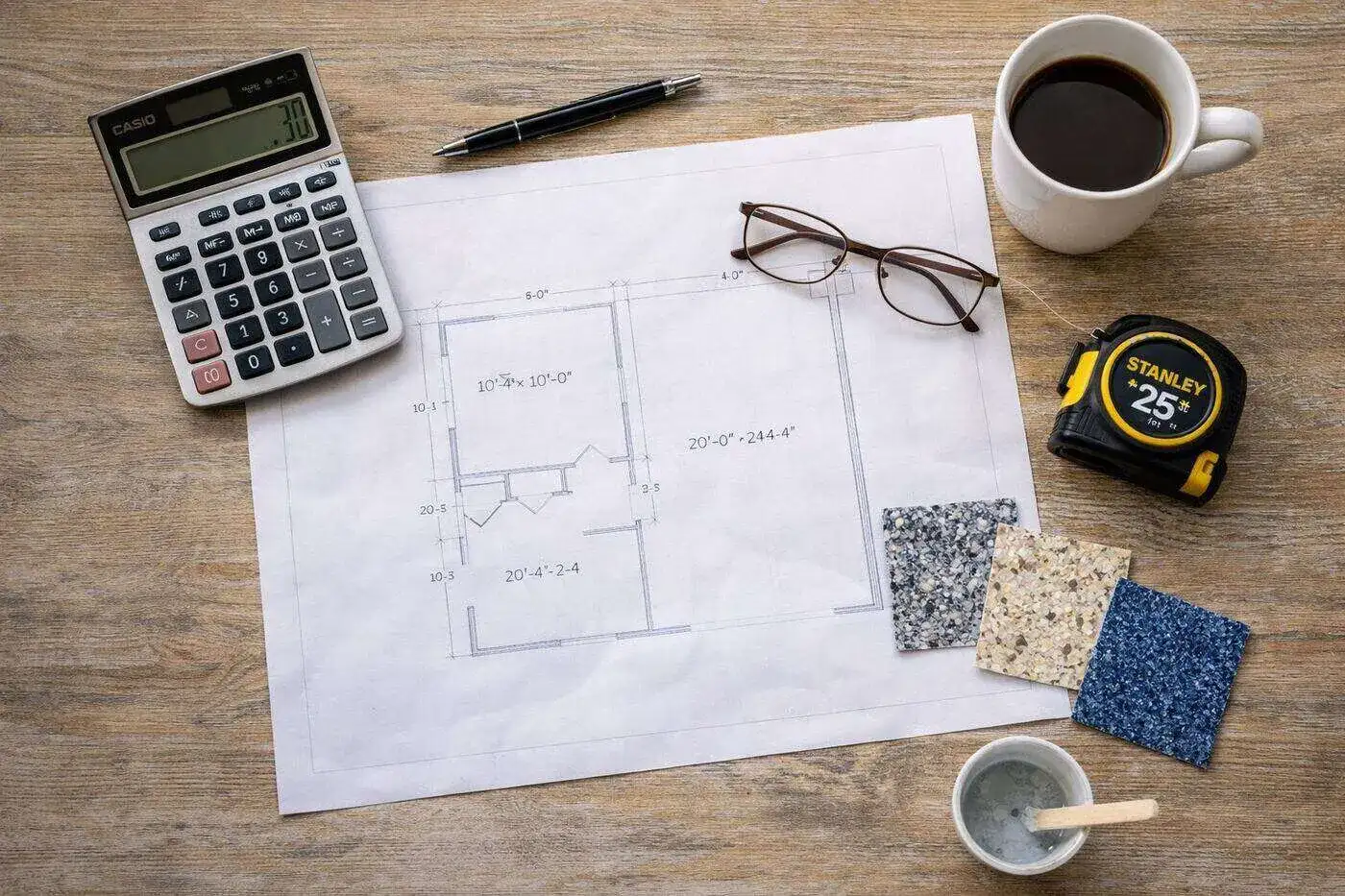
How Much Does Epoxy Flooring Cost in Broward County? (2026 Guide)
What sets the price of a floor, and how a free on-site estimate works.
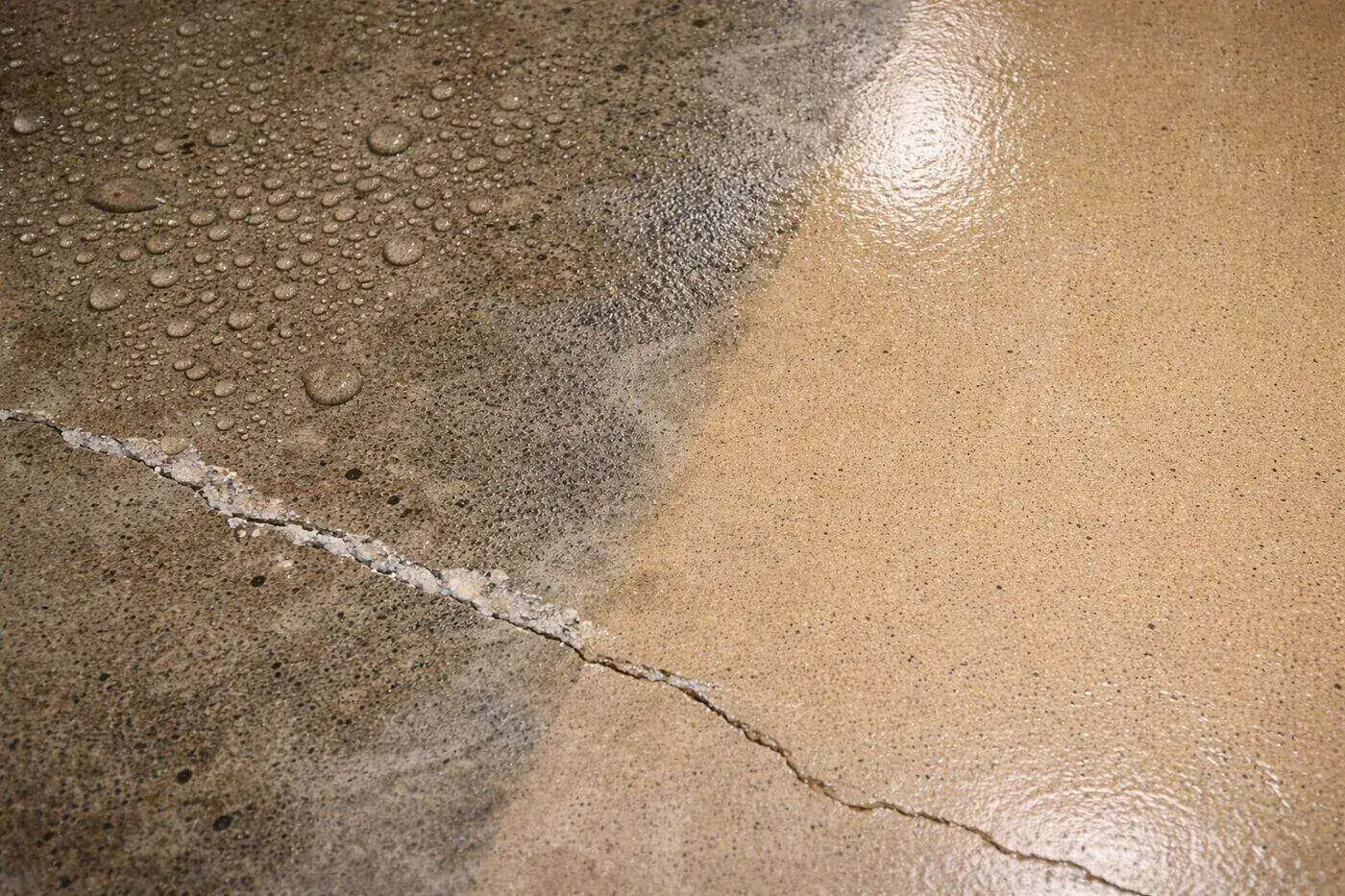
Why Epoxy Floors Fail in Broward County — and the Moisture Test That Prevents It
The high water table, MVT testing, and what to ask before you sign.
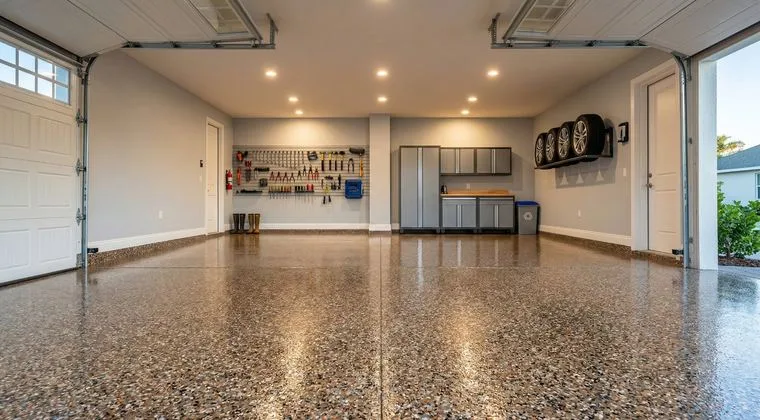
How Long Does an Epoxy Floor Last in Broward County?
Realistic lifespans and what shortens them in South Florida.